Commercial locksmith for San Diego businesses
Storefronts, offices, warehouses, restaurants and rental buildings. Master key systems, mortise and storefront hardware, rekeys after staff changes, and lock repairs that stop a door failing on a Friday night.
- 5.0 from 857 Google reviews
- California Locksmith Licence #7974
- Open 24 hours, 7 days
- Mobile: homes, cars and businesses
¿Necesita un cerrajero? Llámenos al (619) 703-0328. Abierto 24 horas, todos los días.
Business locks
The calls we get from businesses
Shops, offices, restaurants, warehouses, units and rental buildings across San Diego County.
-
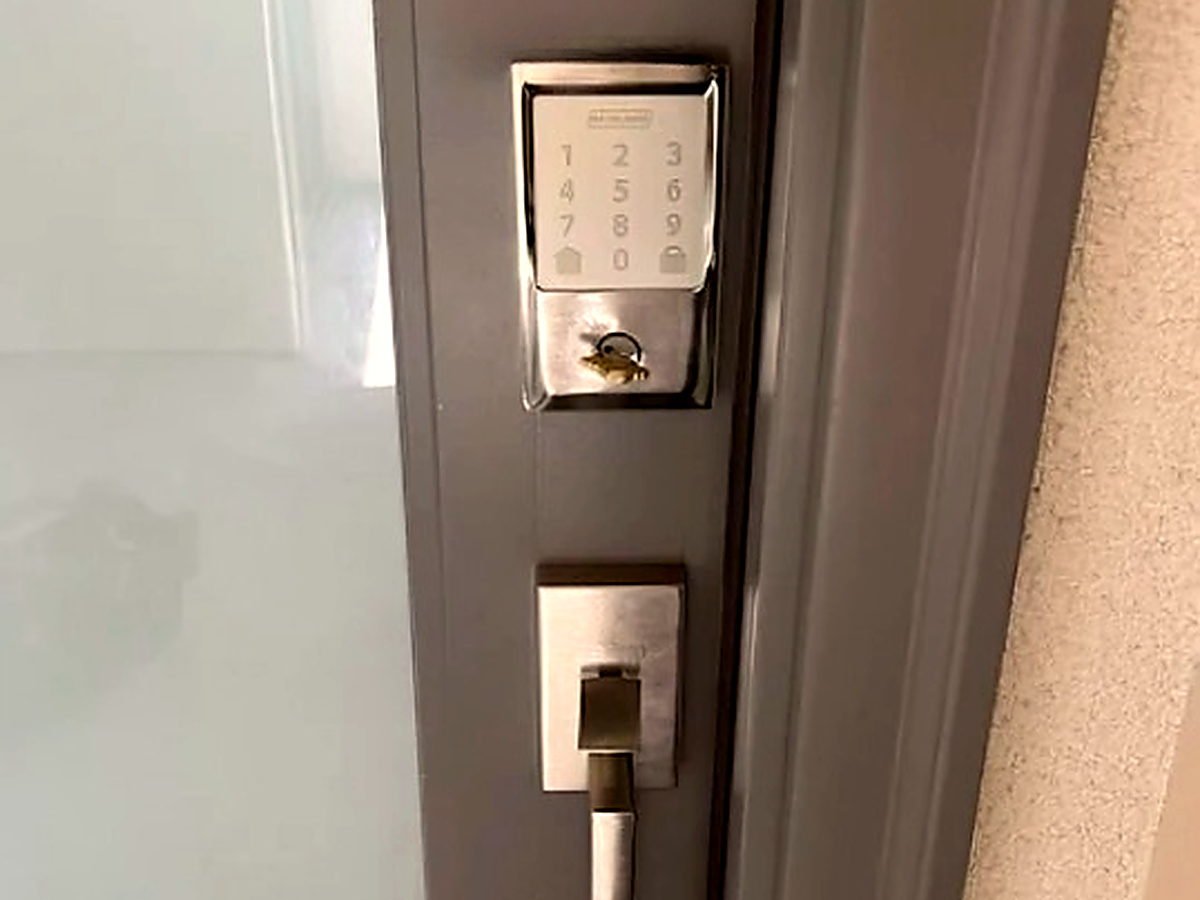
Storefront and office doors
Aluminium storefront hookbolts and deadlatches, mortise locks on timber and steel doors, lever handles, closers that have stopped closing.
- Lock repair
- Lock change and replacement
- High security locks
-
Master key systems
One key for the manager, one door for the member of staff, and a written chart so you know exactly who can open what.
- Master keys
- Lock rekey
- High security locks
-
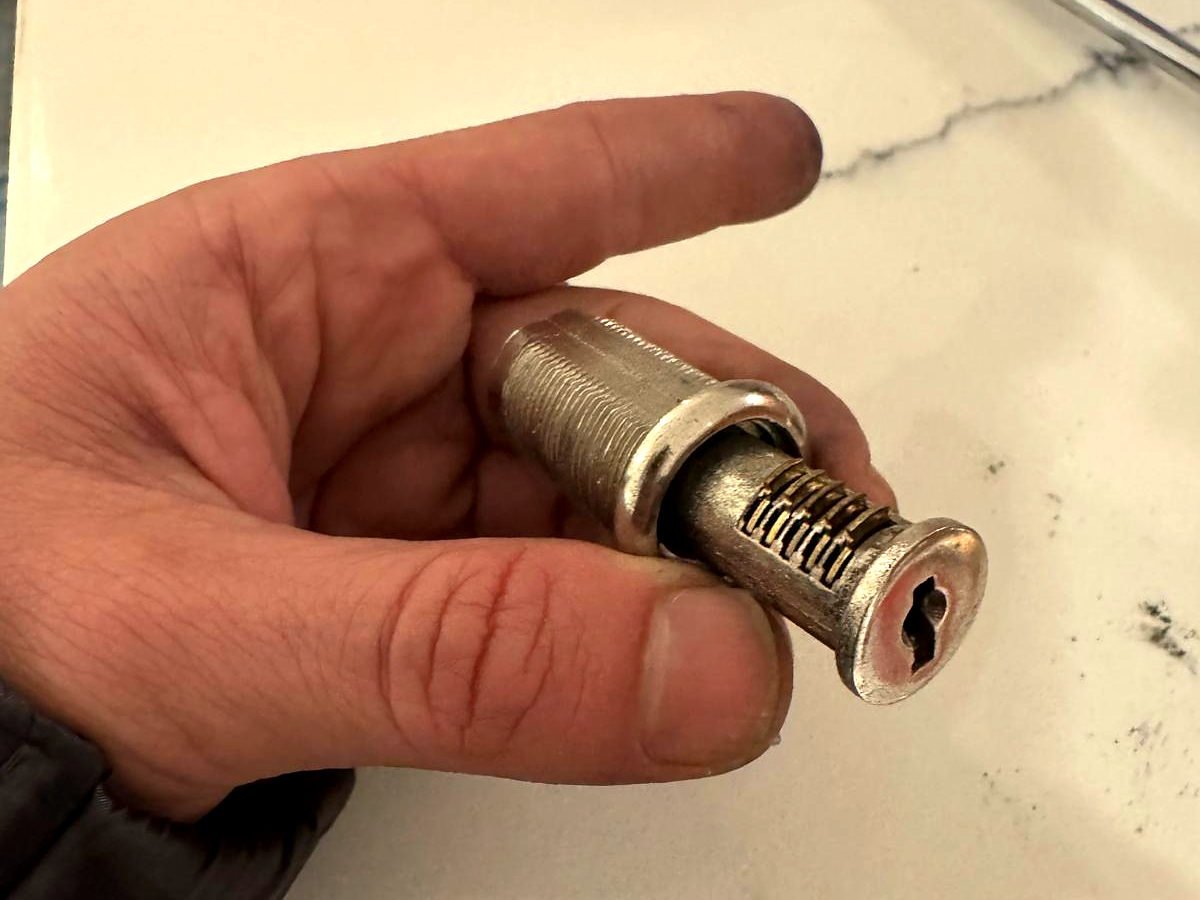
Staff changes and lost keys
Somebody left, a key went missing, a set walked out with a contractor. Rekeying kills the old key without replacing your hardware.
- Lock rekey
- Spare keys
- Master keys
Access, without the sales pitch
Controlling who can open what
Most businesses do not have a lock problem. They have a key problem: too many keys, in too many pockets, with no record of who holds which.
Start with the chart, not the hardware
A master key system is designed on paper first: every door listed, every role listed, and a decision about which roles open which doors. Only then does anyone pin a cylinder. Doing it the other way round (adding a lock here and a key there as the business grows) is how a company ends up with fourteen keys, three of which nobody can identify.
A sensible small-business hierarchy usually looks like this:
- Change key: one person, the doors that person needs, and nothing else.
- Sub-master: a floor, a department or a shift supervisor's set.
- Master: the owner or the managing agent. Kept in one place, issued to almost nobody.
Restricted keys stop the quiet copy
An ordinary key can be duplicated at a kiosk by anybody holding it, and you will never know it happened. High security and restricted cylinders use controlled blanks, so a copy has to come through the system rather than a machine in a supermarket foyer. On a stockroom, a back door or a cash office that is the difference that matters.
Egress is not negotiable
Every door people use to leave the building must open from the inside without a key, without a tool and in one motion. Fire and building codes require it, insurers care about it, and it is the one request we will always turn down: we will not fit a lock that traps people inside a building. Security belongs on the outside face of the door.
Keep a record
Whatever we set up, you should end up with a written key chart: which key is which, how many were cut, and who signed for each one. When somebody leaves, that single sheet turns a panicked afternoon into a phone call.
Rekey or replace
Which one your building needs
The honest version, so you are not sold a door full of hardware you did not need.
-
Rekey the system you have
Cylinders stay on the doors; the pinning changes. Old keys stop working, new keys are issued, and the hardware, the finish and the door prep are untouched.
- A member of staff has left
- A key is missing and nobody can account for it
- A contractor was issued a key for a job that has finished
- You want several doors brought onto one key
-
Change the hardware
New locks go on. Slower than a rekey and sometimes the only honest answer.
- The lock is worn, seized or has been forced
- It is builder-grade hardware on a door that faces the street
- You want a restricted or high security cylinder
- The door has changed use: a stockroom is now a cash office
The process
How commercial work is booked
- Step 1
A survey call, not a guess
Tell us the door count, the lock types, whether there is an existing master system and whether the work has to happen out of hours. We price it against that rather than against a photograph.
- Step 2
The plan before the pinning
For anything with a hierarchy we agree the chart with you first: who opens what, how many keys per level, and who signs for them.
- Step 3
The work, then the record
We fit or repin, test every key in every door with you, and hand over the keys with a written note of what was issued.
The full list
Everything we do
Residential, commercial and automotive. If it locks, we work on it.
- Car lockouts
- House lockouts
- Lost keys
- Ignition repair
- High security locks
- Key extraction / broken key extraction
- Lock repair
- Lock change and replacement
- Lock rekey
- Master keys
- Key fob replacement and programming
- Transponder key programming
- Car key making, cutting and duplication
- Spare keys
- Storage-unit and trunk openings
- Commercial and business security
Read first
Guides worth ten minutes before you book anyone
Practical, and written to be useful whether or not the number you call is ours.
Related services
The rest of what the van carries
The same technician who rekeys your storefront cuts car keys and fits deadbolts.
Where we work
Areas we cover across San Diego County
Commercial work across San Diego County: storefronts, offices, warehouses, restaurants and rental buildings.
San Diego city
- Locksmith in San Diego
- Locksmith in La Jolla
- Locksmith in Pacific Beach
- Locksmith in Point Loma
- Locksmith in Clairemont
- Locksmith in Mira Mesa
- Locksmith in Rancho Bernardo
North County
- Locksmith in Oceanside
- Locksmith in Carlsbad
- Locksmith in Vista
- Locksmith in San Marcos
- Locksmith in Escondido
- Locksmith in Encinitas
- Locksmith in Solana Beach
- Locksmith in Del Mar
- Locksmith in Poway
East County
- Locksmith in El Cajon
- Locksmith in La Mesa
- Locksmith in Santee
- Locksmith in Lakeside
- Locksmith in Alpine
- Locksmith in Spring Valley
- Locksmith in La Presa
- Locksmith in Lemon Grove
South Bay
- Locksmith in Chula Vista
- Locksmith in Otay Ranch
- Locksmith in National City
- Locksmith in Bonita
- Locksmith in Coronado
- Locksmith in Imperial Beach
If your street is not on this list, call (619) 703-0328 and we will tell you straight away whether we can get to you, before you wait on anyone else.
FAQ
Commercial locksmith questions
An employee has left and not returned their key. What now?
A rekey, normally the same day. We repin the cylinders on the doors that key opened so it stops working, and issue new keys to the people who should have them.
If the key was part of a master system, tell us which level it sat at. A lost sub-master is a bigger conversation than a lost door key, because of how many doors it reaches.
Can you work outside business hours?
Yes. We are open 24 hours, 7 days, and a lot of commercial work is easier when the shop is shut and the floor is empty. Say when you call that you want it done out of hours and we will book it that way.
What is a master key system, in plain terms?
A deliberate hierarchy of keys. Each person's key opens only the doors they need. Above them, a sub-master opens a floor, a department or a building. At the top, one master opens everything.
It is designed as a whole, on paper, before a single cylinder is touched, because a system that grew by accident is a system nobody can control.
Can you match the keyway we already have?
Usually. If your existing cylinders are a common commercial keyway we can add and rekey within it, so new doors join the system you already run rather than adding a second key to every pocket.
Bring one of the existing keys to the survey and we will tell you what it is.
Our storefront door lock is different from the ones in our house. Why?
Because it is a different animal. Aluminium storefront doors normally carry a narrow-stile hookbolt or deadlatch built for a thin frame, and many commercial timber and steel doors use a mortise lock, a whole lock body let into the edge of the door rather than a cylinder through a bored hole.
They are repaired, rekeyed and replaced differently, and the parts are not interchangeable with residential hardware.
Can you lock a door so nobody can get out through it?
No, and no legitimate locksmith will. A door that people leave a building through has to open from the inside without a key, without special knowledge and in a single motion. Fire and building codes are explicit about it and it is the difference between a locked shop and a trapped one.
If your problem is people coming in, that is solved on the outside of the door (a deadlatch, a proper strike, a restricted key so nobody is copying yours), not by disabling the way out.
Do you work with property managers and landlords?
Yes: unit turnovers, common-area doors, rekeys between tenancies and master key systems across a building are ordinary work for us. We take instructions from the owner or the managing agent, not from an individual resident, for anything shared.
If you manage residential units in California, our guide to landlord and tenant lock changes covers what the state actually requires.
Can you rekey a whole building in one visit?
Usually, if we know the scale before we come. Tell us the number of doors, the lock types and whether there is an existing master system, and we plan the pinning before we arrive rather than working it out in your corridor.
Talk to us now
Tell us how many doors and we will price it properly.
Master key systems, rekeys, storefront and mortise hardware, and out-of-hours work so your floor stays open.
(619) 703-0328Open 24 hours, 7 days. California Locksmith Licence #7974.
¿Necesita un cerrajero en San Diego? Llámenos al (619) 703-0328. Abierto 24 horas.